
Snow Moon
Finding hope in centuries-old Indigenous names for the full moons

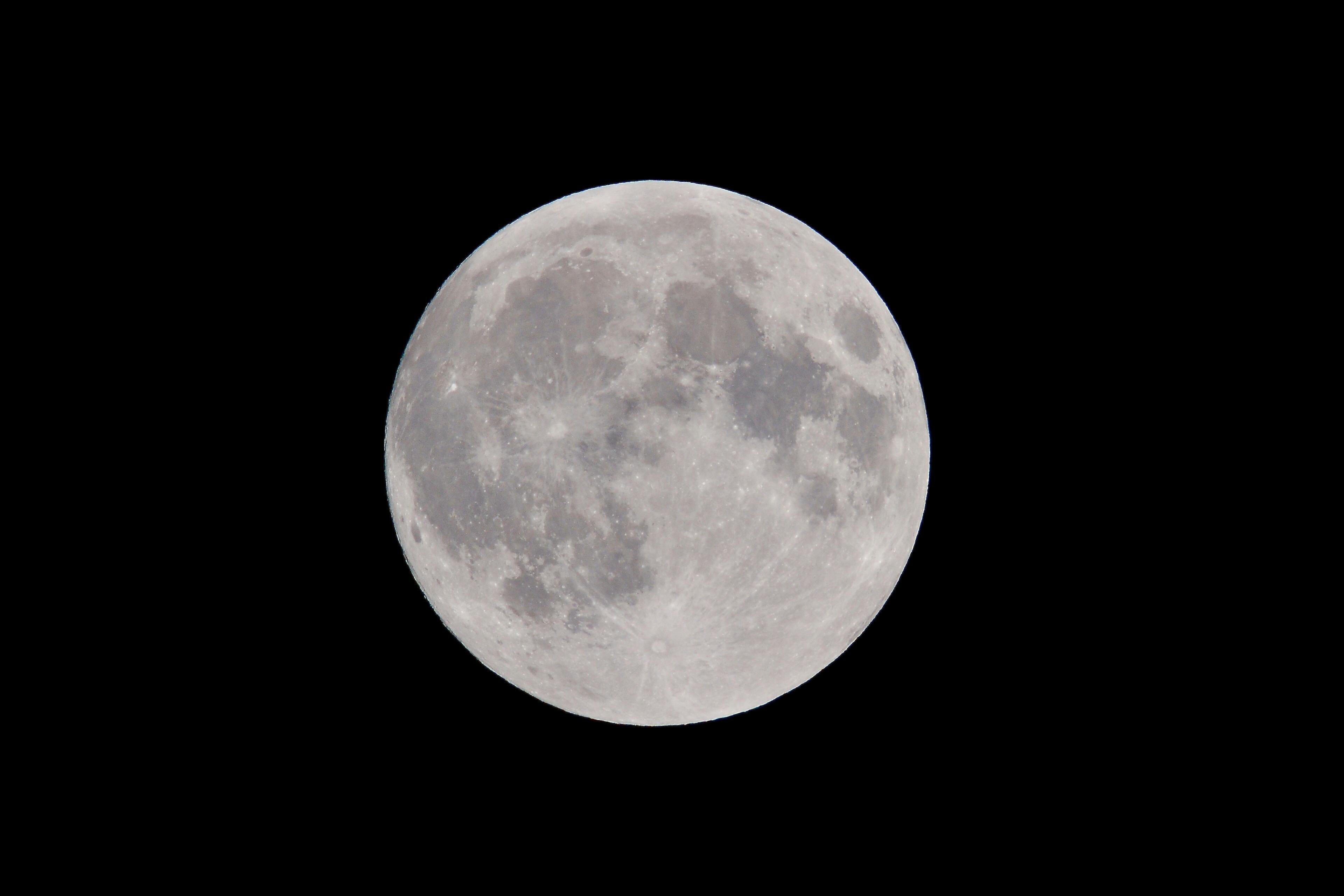
I’ve been thinking lately about a February night from a few years ago. Ben was working late, and I headed to the small barn where we boarded our horses. The full moon was a pale, icy sphere casting a silvery light on the snow. I didn’t know it then, but it was the Snow Moon.
Hundreds of years ago, Native American tribes named the full moons to track the seasons. February’s full moon was called the Snow Moon. It marked the month with the heaviest snowfalls, harsh conditions, and the resilience needed to survive.
At the barn, I tacked up Ben’s horse, Sting, a gentle gelding with a coat as black as coal. He had been skittish lately. When Ben put his foot in the stirrup to mount up, Sting’s eyes went white with fear, and he backed away. It wasn’t a physical problem; for some reason, he had lost trust in humans. Only time and patience would fix that.
I stepped into the outdoor paddock, Sting following docilely behind me. The Snow Moon wasn’t the sky’s only occupant. Millions of stars sparkled against the indigo canopy as if, with a cheeky wave of her wand, Tinker Bell had scattered them for our viewing pleasure. For a moment, I stood in the stillness, silence and splendour of the night. It felt like Sting and I were the only creatures on earth. Then we got to work.
Standing on Sting’s left, I pressed down on the stirrup. He stiffened, fighting hard against his instinct to flee perceived harm. Not that long ago, his ancestors ran wild and free with a herd, hooves thundering across wide-open plains and prairies. There was safety in numbers from predators like mountain lions, wolves, bears and coyotes. Man was a predator, too. But man didn’t want to kill the horses for food; he wanted to dominate, domesticate and quash their natural way of life.
Like he did with the Indigenous people in our country.
A few centuries ago, newcomers stole their land, colonized them, sent their children to residential schools and tried to crush their culture, their language and everything dear to them. They rationalized their actions by claiming they were providing the Indigenous with a better life. It was cruel, but by no means novel. Men have been fighting over resources, shelter, land and more since the dawn of time.
And they still are.
Today, billionaires, oligarchs, despots and dictators are brazenly trying to fill their insatiable need for “more”. They’re violently claiming land and displacing the people on it. They’re detaining and deporting others who are trying to make a decent life in a new land. They’re lining their pockets through restructurings, lay-offs and job cuts. It’s no longer survival of the fittest; it’s survival of the richest.
By the time this year’s Snow Moon rolled around, Sting was living his best life. We couldn’t set him free to live in the wild, so we tried to make him comfortable in the limbo he was in – domesticated but with his survival instincts intact. He now lives in a herd on a farm with huge, open fields for grazing. He’s still dependent on man for many of his basic needs, but trust has been restored.
I’m hoping we can regain our trust in our fellow man, too, and refuse to let a few bad apples spoil the bunch.
The next full moon will be here on March 2nd. Some tribes called it the Worm Moon because it’s a time when worms awaken and entice the return of birds who left for warmer places. The Ojibwe of southern Canada called it the “Sugar-Making Moon” for the maple sap that flows in March.
April’s moon is the Pink Moon, named for the swaths of wild pink phlox that once blanketed parts of North America. It will be followed by the Flower Moon in May and the Strawberry Moon in June.
Such beautiful names for moons that will be bright spots in the night sky in the months to come! I can’t help but think they represent a season of renewal, light and hope.
You can find a guide to traditional full moon names and their meanings HERE.
Thank you so much for reading. If you enjoyed this post, ‘likes’ and comments are always welcome. You can also help me reach more readers by re-stacking or sharing.
Thank you!
A lovely piece of writing. Thank you.
Beautifully written. Thank you.